


Concrete is one of the most durable building materials in the world. That’s why it’s used for driveways, patios, sidewalks, pool decks, and even interior floors. But like any other investment in your home, concrete requires care. The good news? With the right maintenance, your concrete can look beautiful and last for decades.
If you’ve ever asked, “What maintenance will be required to keep my concrete looking good?” — this guide covers everything you need to know.
1. Regular Cleaning
The first step to keeping your concrete in top shape is routine cleaning. Over time, dirt, debris, oil, and even leaves can stain the surface.
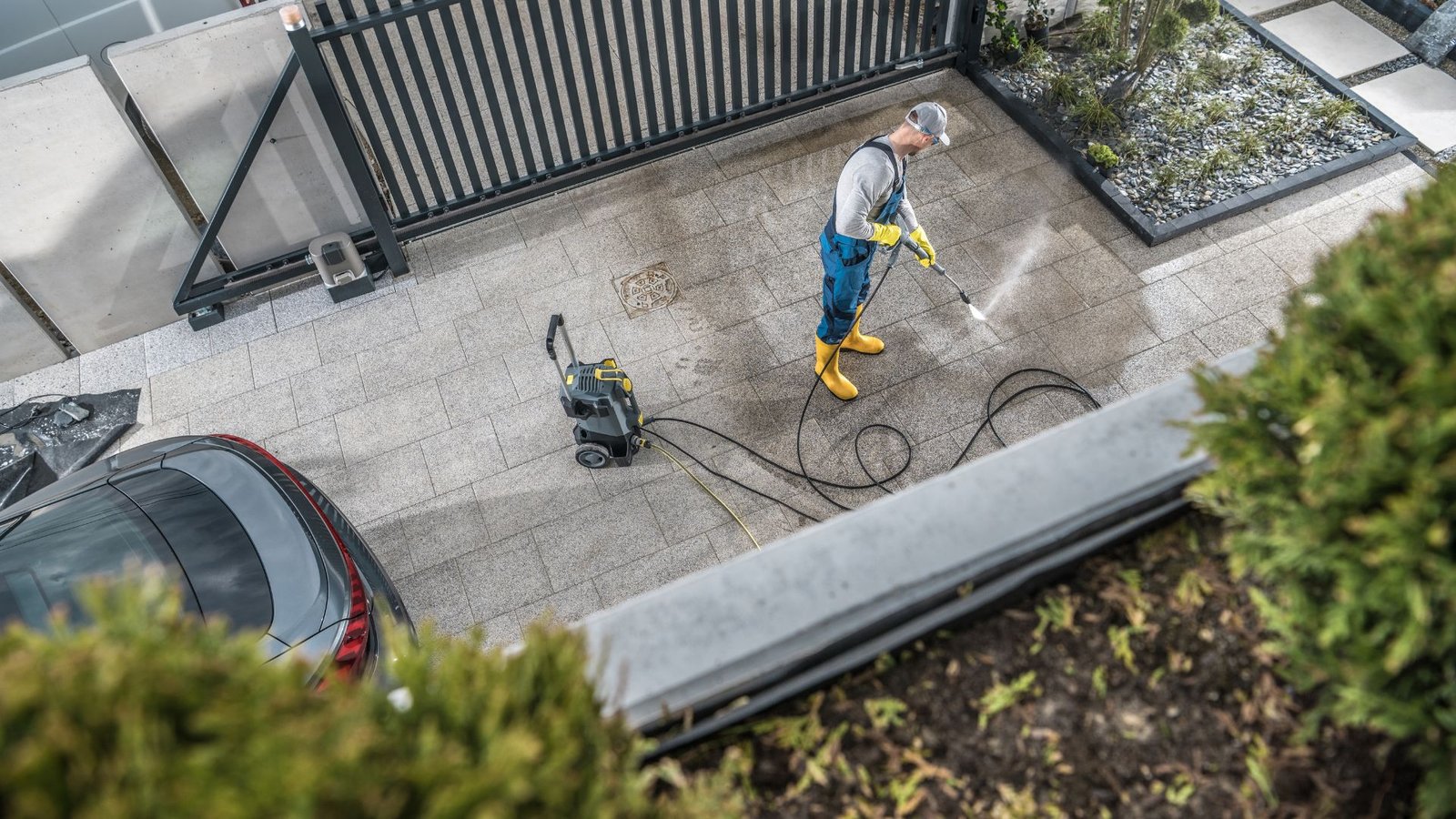
- Outdoor concrete – Sweep regularly to prevent buildup, and hose down the surface to keep it free of grime. For driveways and patios, a pressure washer once or twice a year can make a huge difference.
- Indoor concrete – Dust mop or vacuum weekly to prevent scratches from grit, and mop with a neutral cleaner when needed.
2. Sealing the Surface
Concrete is porous, which means it can absorb water, oil, and other stains if left unprotected. That’s where sealing comes in.
- Why seal concrete?
A quality sealer helps resist stains, prevents moisture damage, and protects against freeze-thaw cycles that cause cracking. - How often to seal?
Most exterior concrete should be resealed every 2–3 years, depending on weather and traffic. Decorative concrete (like stamped or stained) may need more frequent sealing to maintain its color and finish. - Indoor concrete floors often benefit from waxing or applying a protective finish in addition to sealing.
3. Preventing and Repairing Cracks
Concrete is tough, but it’s not indestructible. Hairline cracks are fairly common due to shrinkage, temperature changes, or shifting soil. While they may not affect strength right away, they can let water seep in and cause bigger problems over time.
- Inspect regularly – Walk your concrete surfaces at least twice a year to check for cracks.
- Fill small cracks early – Use a concrete crack filler or patching compound to prevent them from spreading.
- Control joints – If you’re installing new concrete, expansion joints help manage natural cracking by giving the concrete “room to move.”
4. Managing Stains
Stains are one of the biggest enemies of attractive concrete. Oil from cars, rust from patio furniture, or spilled drinks can leave lasting marks.
- Oil stains – Blot spills immediately, then scrub with a degreaser or mild detergent.
- Rust stains – Use a cleaner specifically designed for rust removal (avoid acids unless approved for concrete).
- Organic stains (leaves, food, etc.) – A baking soda and water paste or gentle scrub usually does the trick.
5. Protecting Against Weather
Outdoor concrete faces constant exposure to the elements, which can take a toll over the years.
- Winter care – Freeze-thaw cycles cause expansion and cracking. Avoid using harsh deicing salts (especially ammonium-based) which can damage concrete. Instead, use sand or a concrete-safe ice melt.
- Summer care – Extreme heat can dry out sealed surfaces. Keep an eye on fading finishes, and reseal when needed.
- Water drainage – Make sure gutters and landscaping direct water away from concrete to prevent erosion and pooling.
6. Avoiding Heavy Damage
Concrete is strong, but misuse can shorten its life.
- Driveways – Don’t overload them with excessively heavy vehicles or equipment not intended for residential surfaces.
- Patios & walkways – Use protective pads under grills, furniture, and planters to prevent rust or stains.
- Interior floors – Use rugs in high-traffic areas and felt pads under furniture legs to prevent scratching.
7. Maintaining Decorative Concrete
If you’ve invested in stamped, stained, or polished concrete, a little extra care goes a long way.
- Stamped concrete – Needs regular sealing to keep patterns and colors sharp. Avoid dragging heavy objects across the surface to prevent scratches.
- Stained concrete – Clean spills quickly to avoid discoloration, and reseal as recommended to maintain vibrancy.
- Polished concrete – Sweep often and mop with a pH-neutral cleaner to keep the glossy finish.
8. Long-Term Care: Think Ahead
The beauty of concrete is that with proper care, it can last 30 years or more. Here’s a simple long-term maintenance checklist:
- Sweep and clean regularly.
- Reseal every 2–3 years.
- Inspect for cracks twice a year.
- Address stains promptly.
- Avoid harsh chemicals and deicing salts.
- Protect decorative finishes with proper sealants.
Final Thoughts?
So, what maintenance will be required to keep your concrete looking good? The answer is simple: clean it, protect it, and repair it when needed. Concrete doesn’t demand daily attention, but a little consistent care goes a long way.
Think of concrete as an investment in your home or project. A well-maintained driveway, patio, or floor not only lasts longer but also enhances curb appeal and adds value. With the right upkeep, your concrete surfaces will stay strong, attractive, and functional for years to come.