


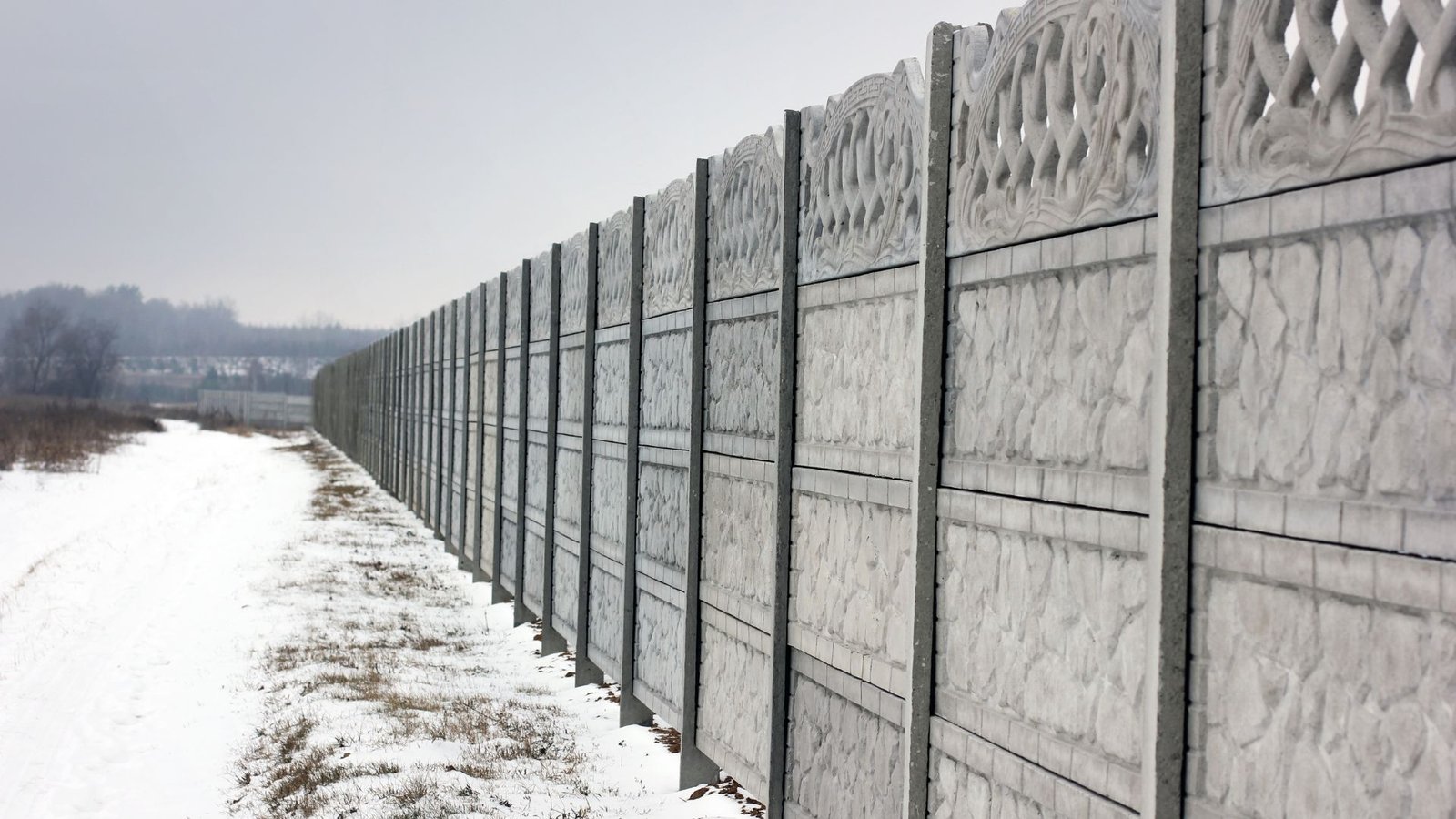
Concrete is one of the most durable building materials available, but that doesn’t mean it’s indestructible—especially during winter. Freezing temperatures, snow, ice, and de-icing chemicals can all take a toll on concrete surfaces, leading to cracking, scaling, and other costly damage.
If you’re a homeowner looking to protect your driveway, patio, sidewalks, or other concrete areas, it’s crucial to prepare them properly before winter hits. In this post, we’ll explore the best ways to get your concrete ready for the colder months, why each step matters, and how to ensure your concrete stays in great condition for years to come.
1. Why Winter Can Be Tough on Concrete
Before diving into preparation tips, it helps to understand why concrete is particularly vulnerable during winter:
- Freeze-Thaw Cycles: Water seeps into tiny pores or cracks in concrete. When temperatures drop, the water freezes and expands, causing internal pressure that can lead to cracking or surface spalling.
- De-icing Chemicals: While convenient, salt and other chemicals can penetrate concrete, leading to surface deterioration and potential corrosion of reinforcement beneath.
- Snow and Ice Removal Damage: Using metal shovels or improper snow removal equipment can scratch or chip the surface.
Knowing these risks emphasizes why proper maintenance is so important.
2. Inspect Your Concrete for Existing Damage
The first step in winterizing your concrete is to thoroughly inspect all surfaces:
- Look for cracks, chips, or spalling (flaking).
- Check for uneven areas where water might pool—these spots are more prone to freeze-thaw damage.
- Examine joints and edges, which are often the first places to show wear.
Addressing these issues early prevents minor problems from becoming major repairs in spring.
3. Clean Thoroughly Before the Cold Sets In
A clean surface is essential before applying any protective treatments:
- Remove dirt and debris: Use a broom or blower to clear loose material.
- Power wash if necessary: Eliminate oil stains, mildew, or other contaminants.
- Allow to dry completely: Moisture trapped beneath sealers or repairs can cause failure later on.
Cleaning also improves the effectiveness of sealants, which we’ll discuss next.
4. Apply a Quality Concrete Sealant
One of the most effective ways to protect concrete from winter damage is sealing the surface:
- Why seal? A high-quality sealer creates a barrier against water, chemicals, and de-icing salts.
- When to apply: Ideally, seal your concrete in early fall when temperatures are still moderate.
- What type to use:
- Penetrating sealers (like silane or siloxane) protect against moisture and are excellent for driveways and walkways.
- Film-forming sealers provide a protective layer and can enhance the appearance of decorative concrete.
Reapply sealers every 2–3 years, or as recommended by the manufacturer.
5. Repair Cracks and Joints
Even small cracks can allow water to seep in, making them worse over winter:
- Use the right materials: Flexible, weather-resistant caulks or concrete repair compounds are best for outdoor use.
- Pay attention to control joints: These are intentional gaps designed to manage cracking. Keep them filled to prevent water intrusion.
- Professional repairs: For significant damage, hire a contractor to ensure proper techniques and materials are used.
Taking the time to fix these issues now will save you costly repairs later.
6. Protect Against De-Icing Damage
While it may be tempting to sprinkle salt on icy surfaces, traditional de-icing salts can harm concrete:
- Avoid: Sodium chloride (rock salt) and calcium chloride can deteriorate concrete over time.
- Use alternatives: Sand provides traction without damaging concrete. There are also concrete-safe de-icers made from magnesium chloride or calcium magnesium acetate.
- Apply sparingly: Even safe products should be used in moderation.
Also, keep your concrete clean of excess de-icing chemicals and rinse it in spring to remove residues.
7. Practice Proper Ice and Snow Removal
The tools and techniques you use to clear snow and ice can make a big difference:
- Use plastic shovels: Metal blades can scratch sealed surfaces.
- Snow blowers: Adjust the height so the auger doesn’t scrape the concrete.
- Remove snow promptly: Prevents ice buildup and reduces the need for de-icers.
This simple step alone can prevent significant wear on your concrete surface.
8. Improve Drainage Around Concrete Areas
Standing water is a major threat to concrete in winter. Check your property’s drainage:
- Ensure gutters and downspouts direct water away from driveways and patios.
- Slope surfaces properly: Concrete should slope slightly away from your home to prevent pooling.
- Consider French drains or other solutions if you notice chronic water accumulation near concrete.
Good drainage protects your concrete year-round, not just in winter.
9. Consider Adding Mats or Rugs
For high-traffic entryways or outdoor steps:
- Rubber or fabric mats reduce direct contact with snow, ice, and salt.
- Non-slip options provide safety as well as protection.
This small addition can prolong the life of concrete in frequently used areas.
10. Schedule Professional Maintenance
Sometimes the best protection is to bring in experts:
- Annual inspections: Professionals can spot early signs of damage you might miss.
- Specialized treatments: Such as deep-penetrating sealers or surface overlays.
- Long-term planning: Contractors can advise on when resurfacing or replacement might be needed.
Partnering with a local concrete expert ensures your investment stays in top shape.
Final Thoughts?
Concrete is an investment in your home’s functionality and curb appeal, but winter can put that investment at risk. By taking proactive steps—cleaning, sealing, repairing cracks, avoiding harmful chemicals, and ensuring proper snow removal—you can significantly extend the life of your concrete surfaces.
Don’t wait until spring to discover damage that could have been prevented. With a little preparation now, you can enjoy a worry-free winter and keep your concrete looking and performing its best for years to come.