


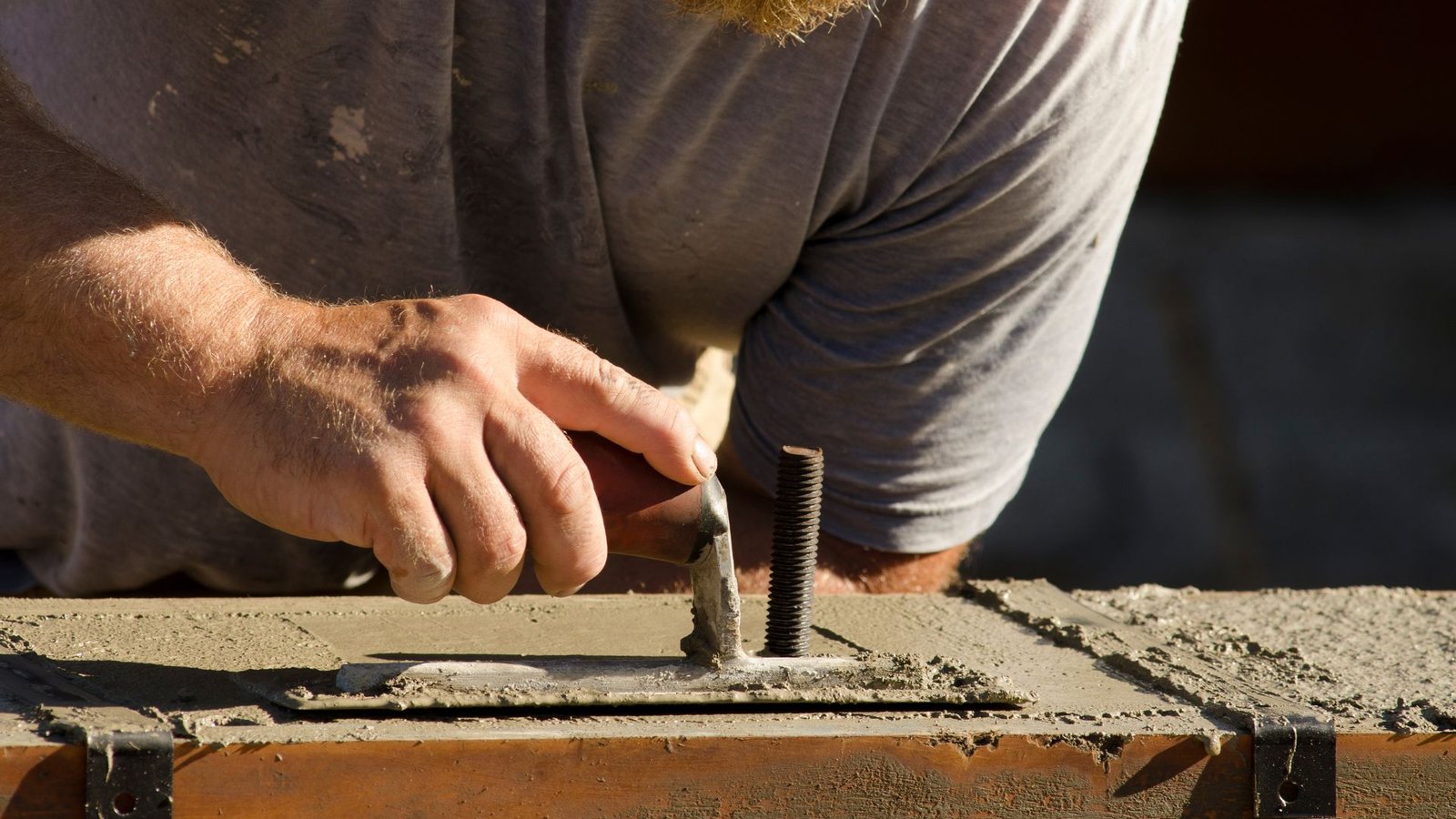
When most people think about concrete, they picture a plain gray slab — something purely functional that gets the job done but doesn’t have much visual appeal. The truth is, concrete is one of the most versatile building materials out there. Not only is it strong and long-lasting, but with the right finish, concrete can be customized to meet your needs for safety, style, and durability.
Whether you’re planning a new driveway, designing an outdoor patio, or finishing a basement floor, understanding the different types of concrete finishes can help you make the right choice. To make it simple, we’ll break down concrete finishes into three main categories: functional, decorative, and protective.
Each one serves a unique purpose, and in many cases, homeowners combine them to get the best results. Let’s explore them in detail.
1. Functional Finishes: Safety Meets Practicality
Functional finishes are exactly what they sound like — finishes that make your concrete surfaces safer, easier to use, and better suited for everyday life. While they may not always be flashy, they are essential for areas where traction, drainage, and durability matter most.
Broom Finish
One of the most common finishes, a broom finish is created by dragging a broom across freshly poured concrete. This leaves behind fine ridges that provide excellent slip resistance. That’s why you’ll see it used so often on driveways, sidewalks, and pool decks.
Not only does it improve safety, but it also creates a simple, classic look that homeowners appreciate. It’s especially popular in regions where wet or icy conditions can make smooth surfaces dangerous.
Float Finish
A float finish is slightly textured and gives concrete a matte appearance. It’s achieved by using a hand or power float after screeding the surface. The result is a practical finish that’s less slippery than smooth trowel work but not as rough as a broom finish.
This option works well for patios and outdoor slabs where you want a natural, understated look without sacrificing usability.
Trowel Finish
When you think of sleek, flat, polished concrete inside garages, basements, or warehouses, you’re probably picturing a trowel finish. Achieved with steel trowels, this finish creates a smooth surface that’s easy to clean and ideal for indoor or covered spaces.
However, because it’s slick when wet, trowel finishes are rarely recommended for outdoor walkways or pool areas.
Grooved Finish
Grooved finishes are made by cutting or pressing lines into the surface of the concrete. These grooves serve two purposes: they improve traction and help channel water away, which prevents puddles from forming.
For areas like loading zones, steep driveways, or walkways with frequent water runoff, grooved finishes are a smart choice.
2. Decorative Finishes: Adding Beauty and Style
Concrete doesn’t have to look dull. With decorative finishes, you can completely change the appearance of your concrete surfaces while still keeping the durability that makes concrete such a reliable material. Decorative finishes are where homeowners often get excited, because the possibilities are almost endless.
Stamped Concrete
Stamped concrete is one of the most popular decorative options because it can mimic high-end materials like stone, brick, slate, wood, or even tile — at a fraction of the cost. Patterns and textures are pressed into the concrete before it fully sets, creating a customized look that dramatically upgrades outdoor spaces.
Stamped concrete is commonly used for patios, walkways, pool decks, and driveways. With proper coloring and sealing, it can look so realistic that guests may not even realize it’s concrete.
Stained Concrete
If you’re looking for color and depth, stained concrete is a fantastic option. Stains penetrate the concrete surface, adding rich, permanent tones that won’t peel or fade. Acid-based stains create marbled, variegated effects, while water-based stains offer more consistent coloring and a wider range of hues.
Stained concrete is a favorite for indoor floors, basements, and even decorative outdoor patios. The natural beauty of the stain enhances the texture and gives the surface warmth and character.
Polished Concrete
For a sleek, modern look, polished concrete is hard to beat. This finish involves grinding and polishing the surface to achieve a glossy, reflective appearance. Not only does it look sophisticated, but it’s also incredibly durable and low-maintenance.
Polished concrete is commonly seen in showrooms, retail stores, and modern homes, but it’s also a great choice for residential basements or loft-style interiors.
Exposed Aggregate
Exposed aggregate finishes reveal the decorative stones mixed into the concrete. After the top layer of paste is removed, small pebbles or stones are left visible, giving the surface a unique, textured appearance.
This finish is particularly popular for driveways, pathways, and pool decks, as it provides excellent traction while still being visually appealing.
Salt Finish
Salt finishing is a classic technique where rock salt is pressed into the surface of wet concrete and later washed away, leaving behind small pits. The subtle texture provides slip resistance, making it especially useful around swimming pools and outdoor patios.
3. Protective Finishes: Extending the Life of Your Concrete
Concrete is tough, but like any building material, it’s vulnerable to wear, stains, and weather damage. That’s where protective finishes come in. These options are less about appearance and more about preserving your investment.
Epoxy-Coated Concrete
Epoxy coatings are applied to cured concrete to create a smooth, glossy surface that resists stains, chemicals, and moisture. This makes epoxy-coated floors especially popular in garages, basements, and workshops.
Beyond their protective benefits, epoxy coatings also come in a variety of colors and finishes, allowing you to customize the look while reinforcing durability.
Sealants
Sealants are one of the simplest and most effective protective measures. By penetrating the surface, sealants guard against water absorption, freeze-thaw cycles, oil spills, and even UV damage.
Regular sealing is recommended for driveways, patios, and decorative finishes like stamped or stained concrete, ensuring that they retain their beauty over time.
Overlays & Microtoppings
Overlays and microtoppings are applied over existing slabs to give old, worn-out concrete a fresh, new surface. They can be plain or decorative, making them a versatile choice for resurfacing without tearing out the old concrete.
This option is perfect if your existing concrete is structurally sound but just looks tired or outdated. It’s also an eco-friendly way to recycle and renew your current surfaces.
How to Choose the Right Finish for Your Project?
So, how do you decide which finish is right for you? Start by asking yourself a few key questions:
What is the main purpose of the surface?
Driveway, patio, interior floor, pool deck?
How important is safety?
If slip resistance is a concern, functional finishes like broom or exposed aggregate are smart choices.
Do you want a decorative look?
Stamped, stained, or polished concrete can dramatically upgrade your curb appeal or interior design.
Are you focused on long-term durability?
Sealants, epoxy coatings, or overlays may be worth the investment to protect your concrete.
Often, the best approach is to combine finishes. For example, a stamped patio with a protective sealant will give you both style and longevity. A driveway might use a broom finish for traction but still be sealed to prevent staining and cracking.