


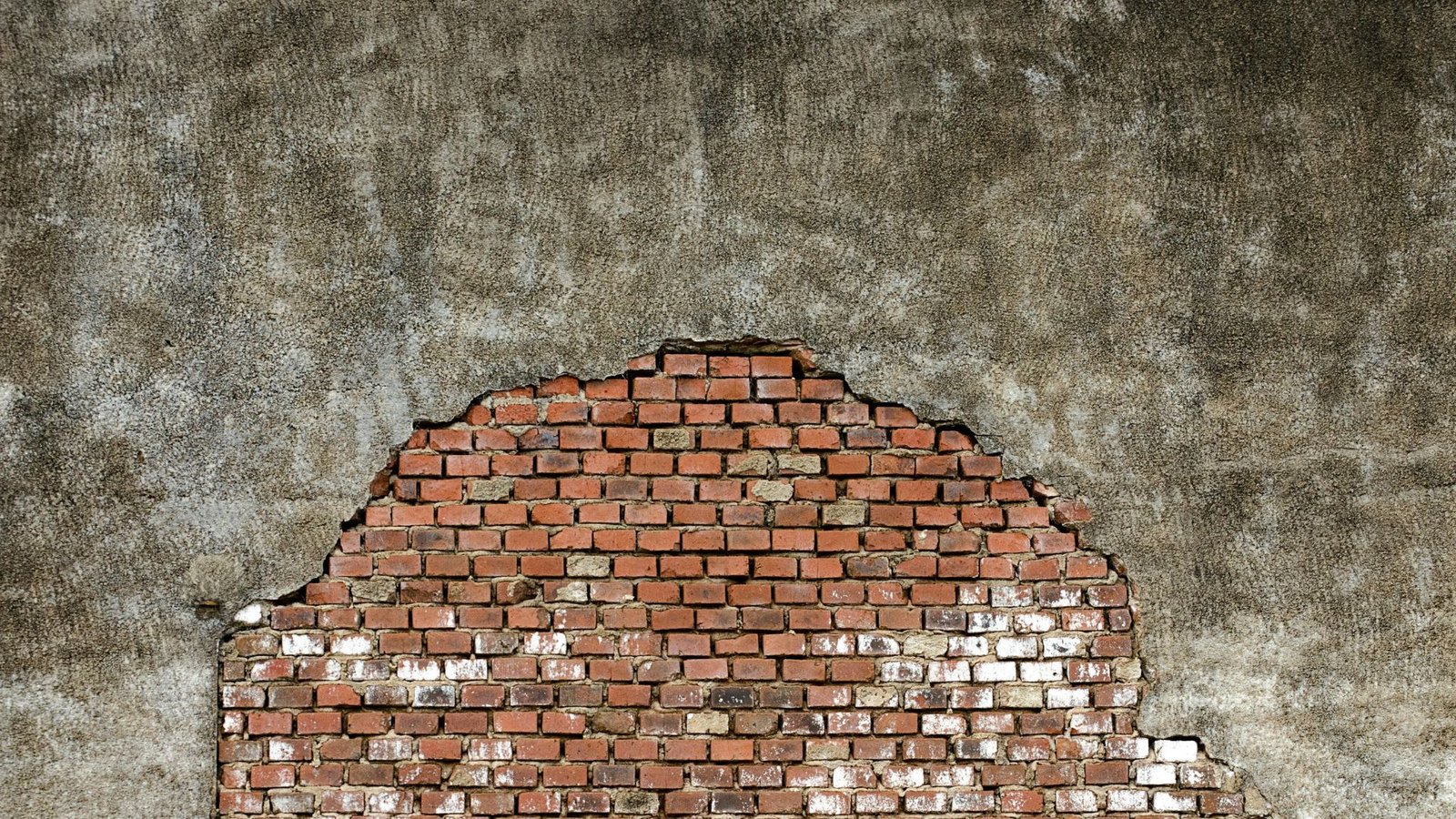
Concrete is known for its strength and longevity, which is why it’s one of the most widely used building materials in the world. But even the toughest concrete isn’t immune to problems. Over time, homeowners may notice cracks, discoloration, uneven surfaces, or other issues that come as a surprise. While unexpected problems with concrete can be frustrating, most can be handled effectively with the right knowledge and action plan.
Here’s a guide to help homeowners understand and manage unexpected concrete issues while protecting their investment.
1. Cracking: The Most Common Concern
Almost every homeowner will encounter concrete cracks at some point. While some cracks are minor and harmless, others can indicate underlying problems.
Causes:
- Natural shrinkage as the concrete cures
- Temperature fluctuations and freeze-thaw cycles
- Soil movement or poor compaction under the slab
- Excessive weight or impact damage
What to Do:
- Hairline cracks: These are usually cosmetic. Fill them with a concrete crack sealer to keep water out.
- Larger cracks: Cracks wider than 1/8 inch may need professional assessment. Epoxy injections or patching compounds can be applied, but the cause of the cracking must be addressed.
- Structural cracks: If the slab has shifted or sunk, consult a concrete contractor. You may need slab jacking (lifting) or replacement in severe cases.
2. Discoloration and Stains
Concrete may develop unexpected stains or uneven color, especially in high-use or outdoor areas.
Causes:
- Oil, grease, or rust stains
- Water intrusion or mineral deposits
- Uneven curing during installation
- Fading from sun exposure on decorative finishes
What to Do:
- Surface cleaning: Pressure washing or scrubbing with mild cleaners can remove most dirt and surface stains.
- Targeted stain removal: Use degreasers for oil, rust removers for metal stains, or poultices for organic stains like leaves.
- Protective sealing: Applying a sealer after cleaning prevents future stains and protects decorative finishes.
3. Scaling and Spalling (Surface Flaking)
Scaling happens when the top layer of concrete flakes or peels away, often leaving a rough, unattractive surface.
Causes:
- Freeze-thaw damage when water penetrates and expands
- Poor installation practices (e.g., overworking the surface)
- Use of harsh deicing salts in winter
What to Do:
- Minor scaling: Clean the area and apply a resurfacing product to restore smoothness.
- Severe scaling: May require professional resurfacing or overlay installation.
- Prevention: Always use concrete-safe ice melt and reseal surfaces regularly.
4. Settling or Uneven Surfaces
A sinking or uneven slab is not just an eyesore — it can be a tripping hazard.
Causes:
- Poorly compacted soil before installation
- Erosion from water drainage
- Heavy loads placed on the slab
What to Do:
- Minor unevenness: For small dips, resurfacing can sometimes even things out.
- Major settling: Concrete lifting methods like slab jacking (injecting material under the slab) or polyjacking can restore the surface without full replacement.
- Severe cases: Replacement may be necessary if the slab is badly broken.
5. Moisture Problems
Concrete is porous, so unexpected moisture issues can arise, particularly indoors or in basements.
Causes:
- Groundwater seepage
- Poor sealing or lack of vapor barrier
- High indoor humidity
What to Do:
- Moisture testing: Before applying flooring over concrete, test for moisture levels.
- Sealants: Apply moisture-blocking sealers or epoxy coatings to prevent water intrusion.
- Drainage solutions: Install proper drainage outside to keep water away from the foundation.
6. Unexpected Damage from Heavy Use
Driveways, patios, and garage floors often face heavy traffic, which can lead to chips, dents, or surface wear.
What to Do:
- Chips and small holes: Use a patching compound designed for concrete.
- Surface wear: Polishing or resurfacing can restore smoothness.
- Heavy-use prevention: Place mats under vehicles that may leak oil or under grills and furniture to prevent rust stains or burns.
7. Decorative Concrete Challenges
Stamped, stained, and polished concrete look beautiful, but they may come with unexpected upkeep needs.
- Stamped concrete may lose definition or color if not sealed regularly.
- Stained concrete can fade in direct sunlight if left unprotected.
- Polished concrete can lose shine without routine cleaning and re-polishing.
What to Do:
- Stick to a resealing schedule (every 2–3 years).
- Clean with pH-neutral products to avoid damaging finishes.
- Call a professional for refinishing if decorative surfaces start to dull.
Preventing Issues Before They Happen
While some problems are unavoidable, many can be prevented with proactive care:
- Seal concrete surfaces regularly.
- Keep surfaces clean and clear of standing water.
- Avoid harsh deicing salts in winter.
- Address drainage issues promptly.
- Schedule routine inspections to catch small issues early.
When to Call a Professional?
Some issues can be managed with DIY solutions, but others require expert attention. Call a professional concreting company if you notice:
- Cracks that continue to grow or spread.
- Slabs that are sinking, shifting, or breaking apart.
- Severe scaling, spalling, or surface flaking.
- Persistent moisture or drainage issues.
A professional can diagnose the root cause, provide repair options, and recommend maintenance to prevent repeat issues.
Final Thoughts?
Concrete is a tough and long-lasting material, but it isn’t completely maintenance-free. Homeowners may encounter cracks, discoloration, uneven settling, or other unexpected issues during the lifespan of their concrete. The key is knowing how to respond quickly and effectively.
By addressing small problems before they grow, resealing surfaces regularly, and consulting professionals when necessary, you can keep your concrete looking beautiful and performing well for decades.
Remember, your concrete is an investment. With the right approach, even unexpected issues don’t have to shorten its life or compromise its appearance.